
Management
Glass Pricing Software: How Glazier Prices Every Makeup
What glass pricing software has to handle: glass makeups, fabrication and edgework, supplier price sheets and margin, so every quote gets the same price.
10
min read
•
October 11, 2026
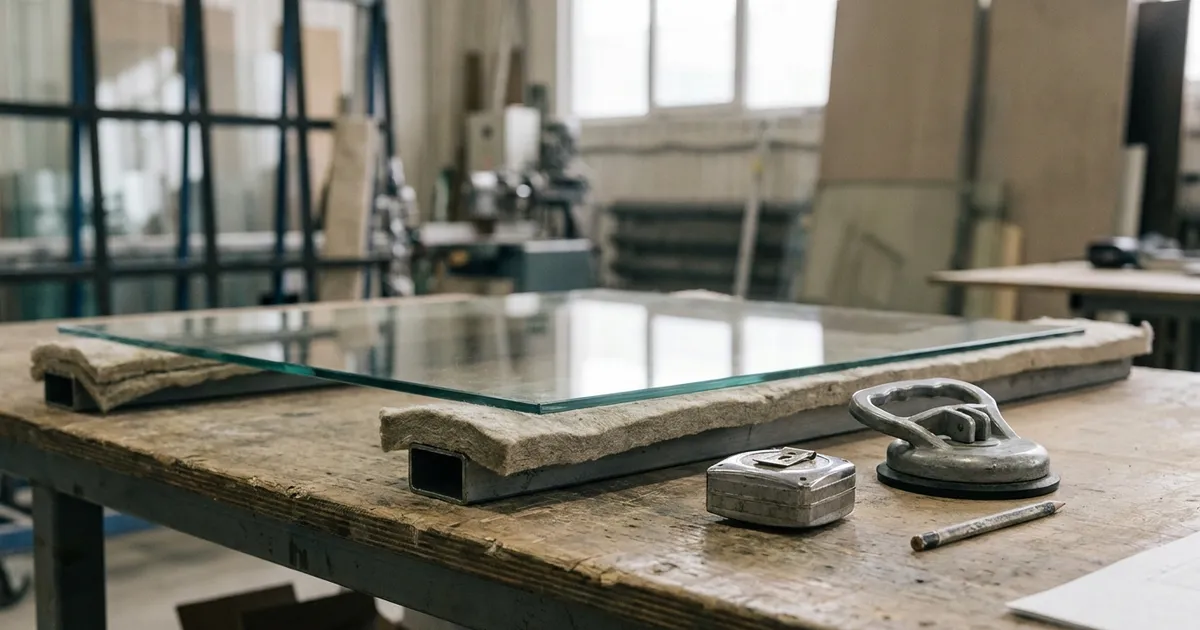
Glass pricing software is for glass shops and glazing contractors that want every quote priced from the same price book, whoever builds it. Glazier holds your glass makeups, fabrication rules, supplier costs and margin, and turns a measurement into a priced quote. The same job gets the same price, and your margin is in it.
What to look for in glass pricing software
Check that the software does these six things.
Each makeup gets its own line. Monolithic, insulated, tempered, annealed, laminated and pattern glass cost different amounts. Glazier's glass-specific pricing is set up that way.
Fabrication and edgework apply by rule. Holes and edgework are easy to forget. Glazier prices holes, calculated perimeter edgework and united-inch rules from the same price book.
Supplier cost plus your margin. Glazier prices directly off your supplier pricing at a consistent margin, and its AI pricing upload reads supplier price sheets and files the line items for you.
Counter and field price alike. Glazier's quick estimates price walk-ins and phone calls, and field estimates turn a tech's measurements into a quote on site.
The price becomes a quote. Glazier turns an estimate into a branded customer quote in a click, or a live web quote the customer can sign and pay.
Commercial bids tie to cost. Glazier ties each estimate to cost codes and tracks supplier quote requests against it.
How Glazier handles glass pricing
Pricing in Glazier is part of the quote, not a separate spreadsheet. Here is how a price gets from your supplier's sheet to the customer.
The price book: glass makeups, fabrication and edgework
A price book that only knows "glass per square foot" is wrong on every job that is not the most common one. Holes and edgework make it worse, because they are easy to forget and hard to work out by hand.
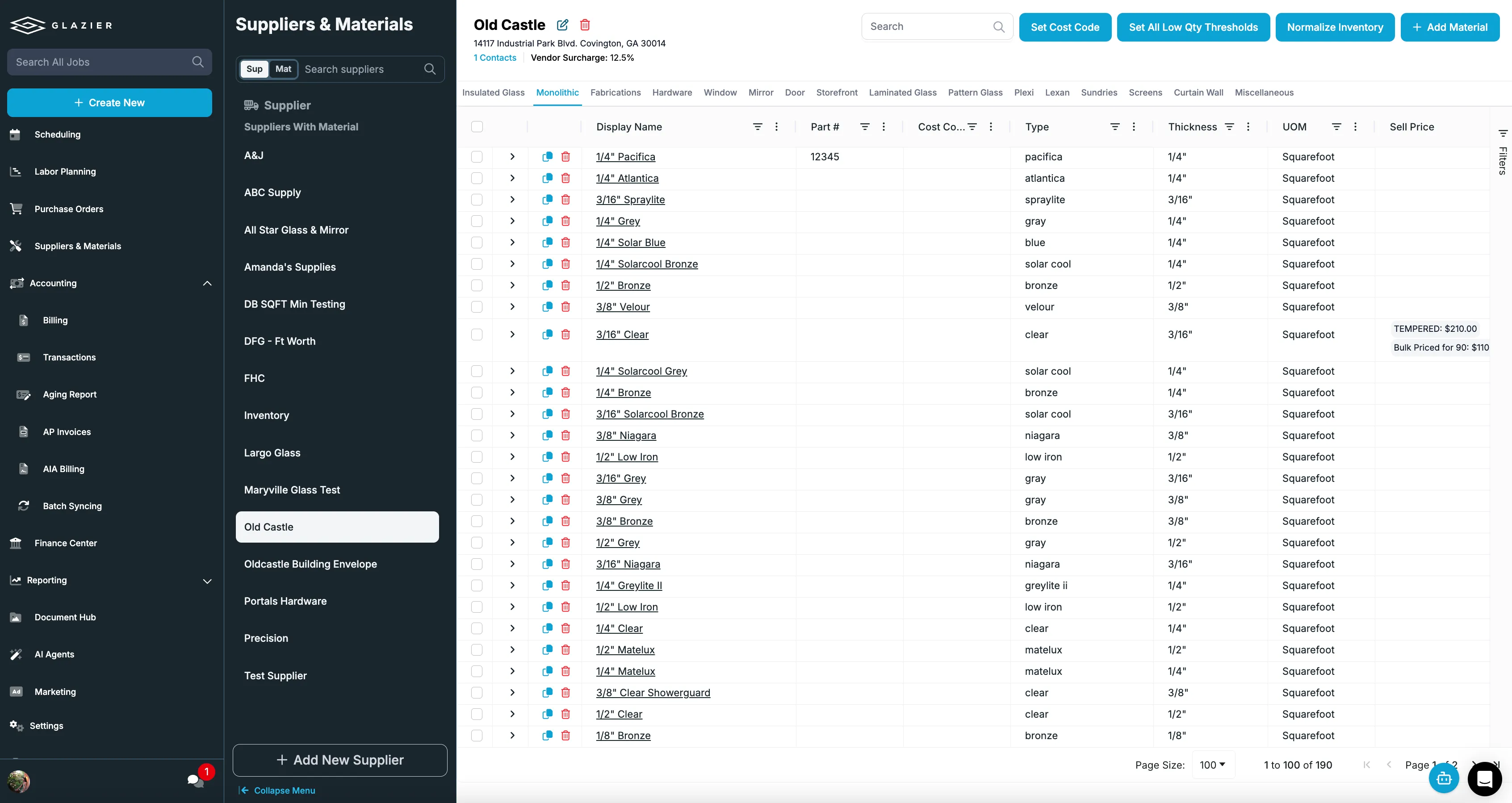
In Glazier, you set up monolithic versus IGU, tempered versus annealed, laminated and pattern pricing in glass-specific pricing. Holes, calculated perimeter edgework and united-inch rules sit in the same price book. Quotes come out accurate and consistent instead of depending on who built them.
Supplier prices: priced off your cost, not re-keyed
Supplier price sheets change. Every change that never reaches your pricing either loses you jobs or loses you money on the ones you win.
Glazier prices quotes directly off your supplier pricing at a consistent margin, so a new cost moves the price and your margin stays where you set it. The AI pricing upload reads supplier POs and price sheets and files the line items for you, so nobody retypes a sheet.
Walk-ins and phone calls: quick estimates
Someone calls about a replacement pane or walks in with a picture frame. Whoever is at the counter works out a number, and a month later someone else gives the same customer a different one.
In quick estimates, you jump into lookup mode and select the glass type and makeup. You price the walk-in or call in seconds, save the estimate, and convert it to a job if the customer goes ahead.
Here is how that plays out on a typical Tuesday:
- A supplier sends a new price sheet in the morning. The AI pricing upload files the line items, so every estimate after that is priced off the new costs.
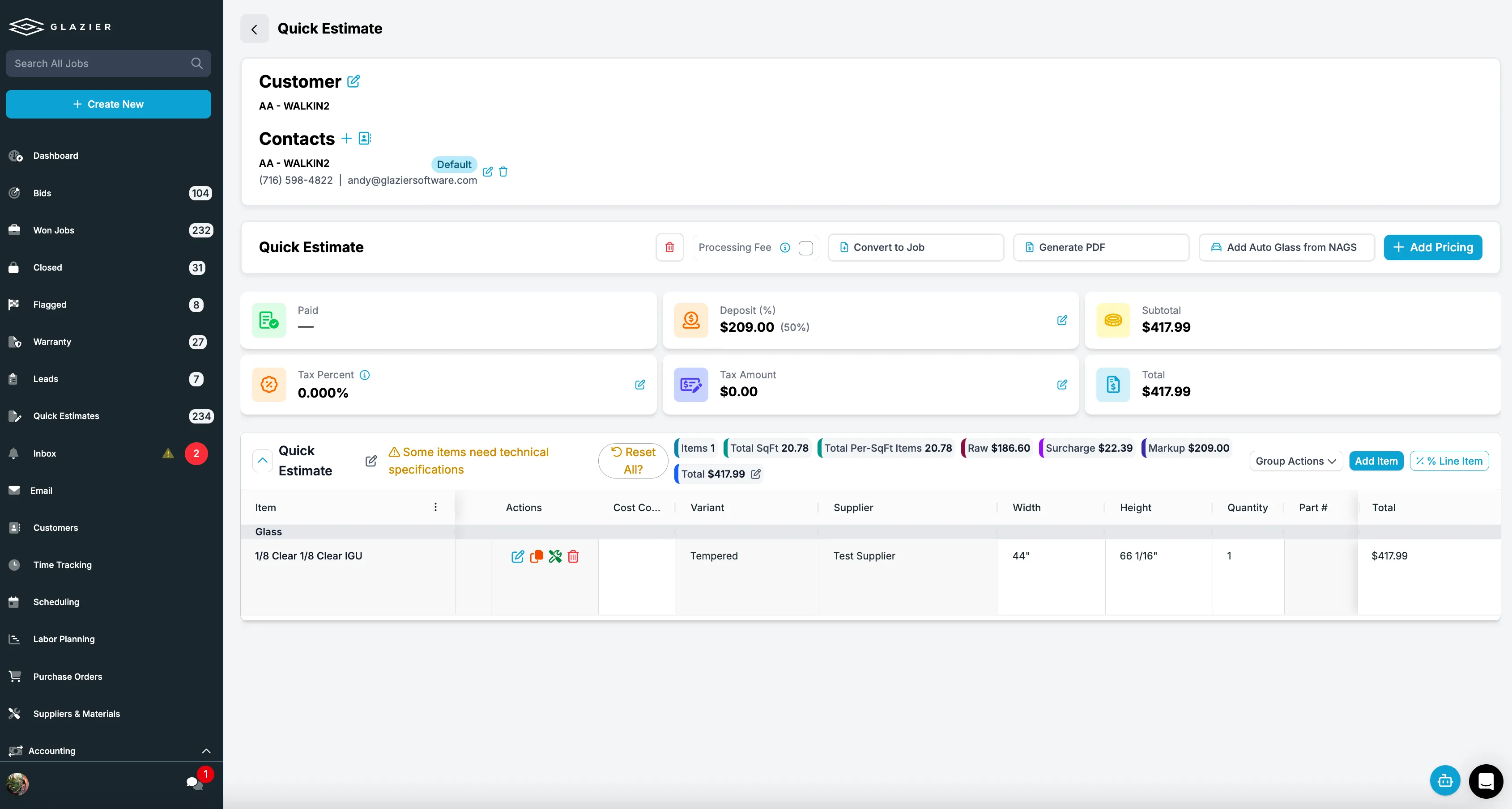
- That afternoon a customer calls about a replacement tempered insulated glass unit, 44" by 66 1/16". The person at the front desk opens quick estimates, picks the glass type and makeup, and enters the size.
- The screen shows a total of $417.99 and a 50 percent deposit of $209.00. The desk saves the estimate.
- A month later the customer calls back and speaks to someone else. That person recalls the saved estimate, gives the same $417.99, and converts it to a job.
The outcome: two people, one price, and the margin that was set in the price book is still in it.
On site: field estimates
A tech with a paper work order cannot create a quote or take money on site. Once they walk away, the customer is more likely to go with someone else.
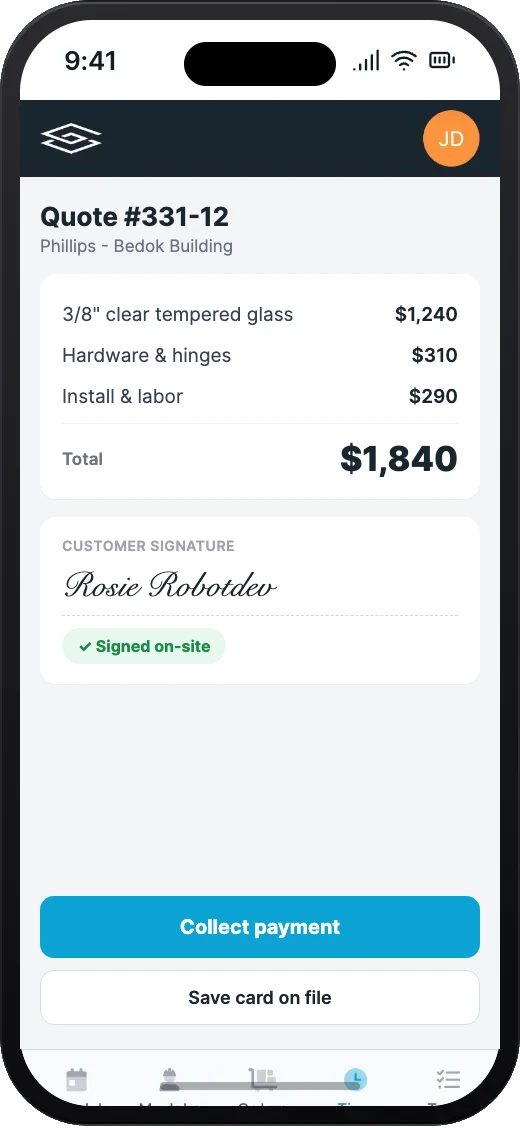
With field estimates, techs have your pricing in the field. Measurements convert to glass pricing by square footage, with your labor and template defaults applied. The tech texts or emails a branded quote from the driveway and can take a deposit on the phone right there.
Showers: design it, then quote it
Hand-drawn glass diagrams are slow and look unprofessional in front of a customer. They also leave the supplier guessing at dimensions.
Shower doors and enclosures fall under the federal safety glazing standard, 16 CFR Part 1201, so the order has to specify safety glazing such as tempered glass, not ordinary annealed glass.
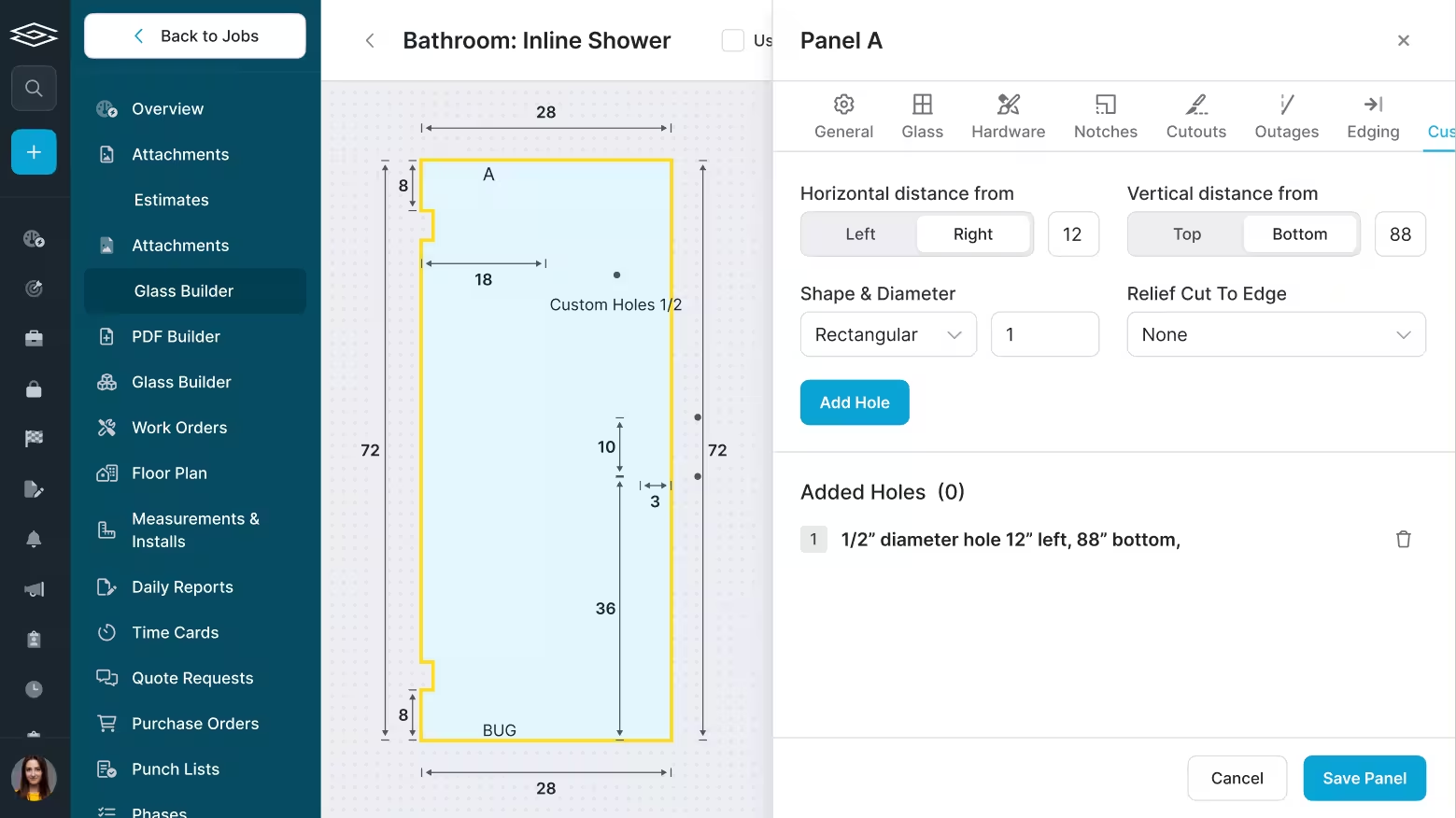
Glazier's glass and shower builder lets you build the job in 3D with your own dimensions, linked to your hardware. It produces DXF files you send straight to your supplier. You can drop the design into the customer quote.
Quotes the customer can read, change and sign
Building quotes out of QuickBooks or Word takes time and does not look the part. A static PDF also gives the customer nothing to choose between.
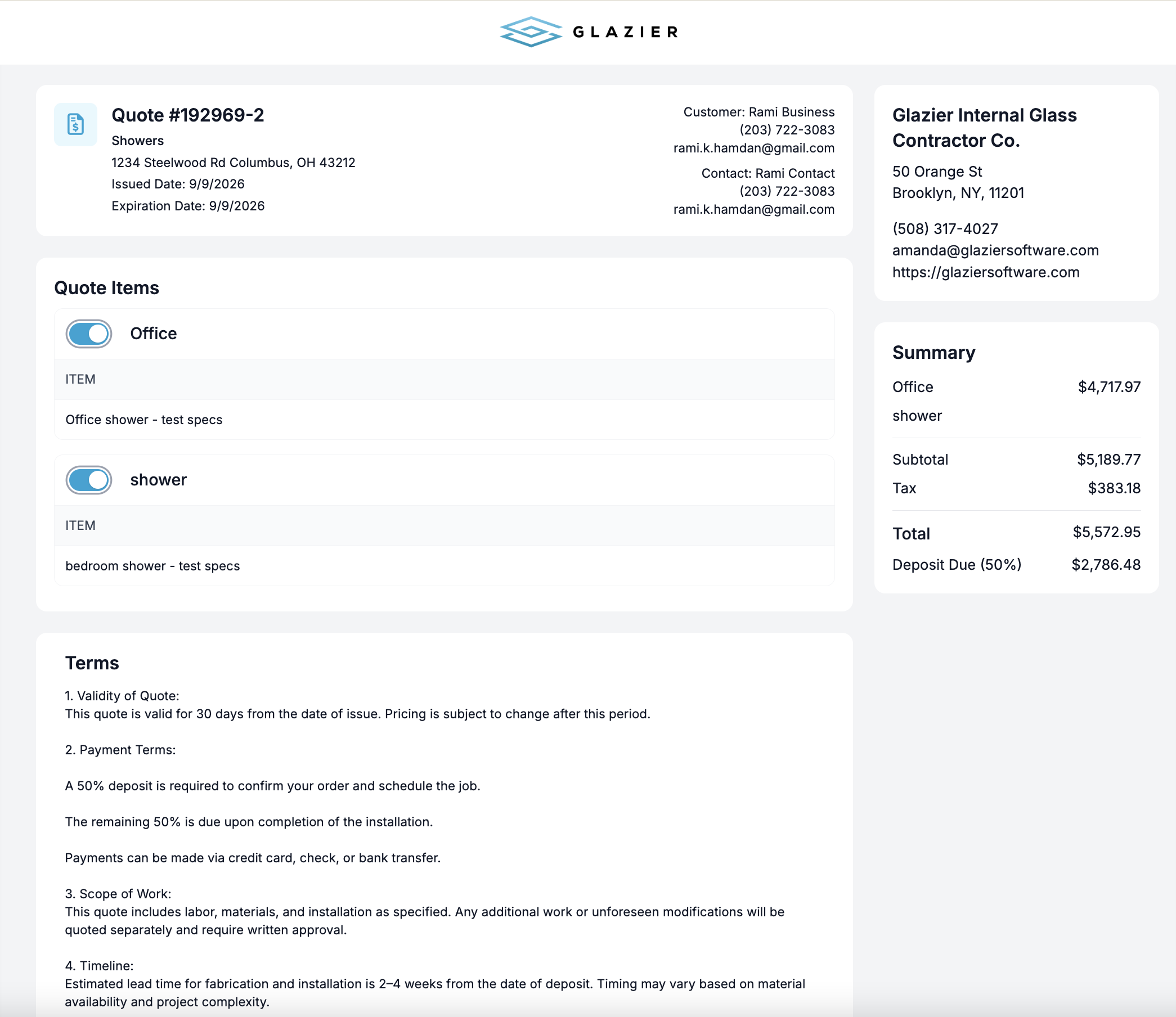
Branded customer quotes turn the estimate into a customizable quote in a click, emailed straight from Glazier. When you want to give choices, a web quote sends a live link. The customer toggles options and add-ons, the total updates, and they sign and pay from the same page.
Commercial bids: estimates and supplier quotes
Commercial estimates kept in spreadsheets end up different for every estimator. Supplier quotes scattered across email make it hard to know which prices are still good.
Glazier ties the estimate to cost codes, so estimates and actuals stay connected across POs and time, and estimate templates keep estimators consistent. Supplier quote requests bring the loop into the job. You import GDS and PartnerPak files and create requests directly, track totals and valid-until dates, and convert a quote to a PO when you are ready to order.
.avif)
Want to see a replacement tempered insulated glass unit go from a new price sheet to a job in one record? Book a Glazier demo and see the whole job in the product.
What glass pricing software has to price correctly
- Every glass makeup you sell. Monolithic and insulated glass units (IGU), tempered and annealed, laminated and patterned glass all cost different amounts, and a price book has to treat each as its own line priced by size. A system that only knows "glass" per square foot will be wrong on every job that is not the most common one.
- Fabrication and edgework, by rule. Holes, notches and edgework are where manual pricing leaks margin, because they are easy to forget and hard to calculate by hand. Good pricing software applies them by rule, such as calculating perimeter edgework from the dimensions and applying united-inch pricing where your supplier uses it, instead of relying on someone to remember.
- Labor and template defaults. A shower enclosure, a storefront door and a tabletop each carry their own labor. Defaults for common job types mean the labor is in the price from the start, and the estimator only adjusts it when the job is unusual.
- Your supplier's cost and your margin. The price a customer sees should be built from what the glass actually costs you plus a margin you set, not from a number someone typed in last year. When the two are stored separately, you can see the margin on every quote and keep it consistent.
Keeping the price book current
A price book is only as good as its most out-of-date line. Supplier price sheets change, and every change that does not reach your pricing either loses you jobs or loses you money on the ones you win.
The fix is to load supplier prices into the system you price from instead of re-keying them. When pricing is built from the supplier's current cost with your margin on top, a new sheet updates every new quote at once, and nobody has to chase down which spreadsheet holds the latest number.
Pricing walk-ins and phone calls the same way every time
Small jobs are where consistency slips first. Someone walks in with a picture frame, or calls about a replacement pane, and whoever is at the counter works out a number. If the same customer asks again next month and gets a different price, the shop looks careless, even when both numbers were honest guesses.
A quick lookup that prices a piece from its glass type and makeup, and saves the estimate so it can be recalled and turned into a job later, gives every person at the counter the same answer.
How to price glazing jobs competitively
Competitive pricing is not the lowest price. It is a price you can produce fast and trust. Three habits make the difference:
- Price from real costs. Build every price from the supplier's current cost plus your margin, so a low price is a choice, not an accident.
- Price on the spot. On residential and service work, the shop that quotes first often wins. When measurements turn into a priced quote while the tech is still on site, the customer does not have time to call the next shop.
- Price the same way every time. Customers and general contractors notice when your numbers move for no reason. A shared price book turns pricing from a personal skill into a shop standard.
To see your own price book and supplier prices run in Glazier, book a Glazier demo.
Frequently Asked Questions
What is glass pricing software?
Glass pricing software holds a glass shop's price book and turns measurements into a price. It knows the glass makeups you sell, the fabrications and edgework each piece needs, your supplier's costs and your margin, so a quote comes out the same no matter who builds it.
Why do glass prices come out different depending on who quotes the job?
Because the rules live in people's heads or in their own spreadsheets. One estimator remembers the edgework charge and another forgets it, one uses last quarter's supplier sheet and another uses this month's. Putting the makeups, fabrication rules, supplier costs and margin in one system is what makes the number consistent.
How should a glass shop keep its supplier pricing up to date?
Load the supplier's price sheet into the same system you quote from, rather than copying numbers into a spreadsheet by hand. When the sheet changes, every new quote picks up the new cost and your margin is applied on top of it, so an old price cannot quietly eat the job's profit.
What should be in a glass price book?
The makeups you sell, such as monolithic and insulated glass, tempered, annealed, laminated and patterned, each priced by size. Add the fabrications and edgework, like holes and polished or seamed edges, with the rule each one follows, the labor and template defaults for common jobs, and the supplier cost and margin behind every line.
Explore Our Success Stories


Streamline your glazing operations.
Book a demo today and find out how Glazier can transform your glass business.
The all-in-one platform built for glass & glazing — quoting to cash, powered by AI.